Mojama de Isla Cristina: A Gourmet Delicacy
by Guillermo Pabon Garcia
on Dec 28, 2024
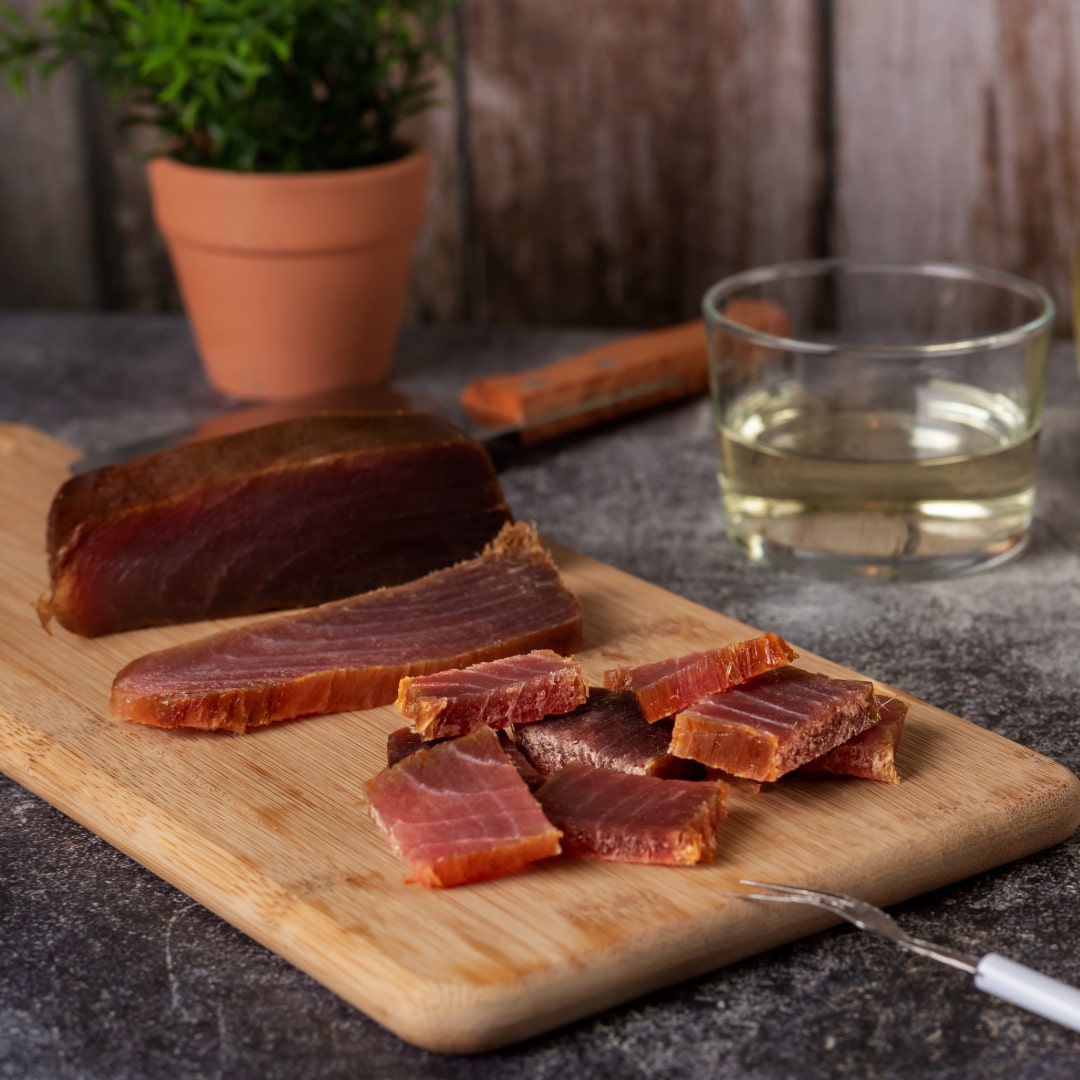
Mojama de Isla Cristina is a premium salted tuna loin, recognized nationally and internationally for its exceptional quality and flavor. At Ibérico Taste, your trusted Spanish gourmet store in the US, we bring you this delicacy directly from Huelva, Spain.
What Is Mojama de Isla Cristina?
Mojama is made from the finest tuna loins, carefully cured using traditional salting and drying methods. Its authenticity is certified by the Protected Geographical Indication (PGI), ensuring its artisanal production process and unmatched quality.
The History Behind Mojama
Originating in the fishing towns of Isla Cristina, Ayamonte, Cartaya, and Lepe, this delicacy is deeply rooted in Andalusian culture. Companies like USISA have preserved its traditional production methods while incorporating modern food safety standards.
Nutritional Benefits of Mojama
Mojama is not only a culinary delicacy but also a nutrient-rich food. It is high in:
- Protein: Essential for muscle repair and overall health.
- Omega-3 Fatty Acids: Beneficial for heart health and reducing inflammation.
- Vitamins and Minerals: Including vitamin D, selenium, and iodine, which support immune function and thyroid health.
- Low in Fat: Especially the Extra category, which has less fat content.
Perfect Pairings for Mojama
Pair Mojama with dry white wines, young red wines, or fortified wines like Manzanilla, Fino, and Amontillado for an exquisite experience.
Serving Suggestions
Serve Mojama thinly sliced (2-3 mm) as an appetizer or pair it with toasted almonds for a simple yet refined dish. Drizzle with extra virgin olive oil for an added touch of flavor.
Why Buy Mojama de Isla Cristina from Ibérico Taste?
At Ibérico Taste, we pride ourselves on offering authentic Spanish delicacies, including the finest Mojama de Isla Cristina. Perfect for creating tapas or elevating your next dinner party, this gourmet product is a must-have for food enthusiasts.
Shop Mojama de Isla Cristina now and experience the authentic flavors of Spain.