
Panadería Obando: The Best Gourmet Crackers from Spain
by Guillermo Pabon Garcia
on Nov 03, 2024
From Utrera to the World: Bringing Panadería Artesana Obando to the USA
As a Seville native and lover of Spanish gourmet food, it is an honor to introduce Panadería Artesana Obando’s products to the United States. Since childhood, Obando's picos and regañás have been a staple at our family table. Now, I have the privilege of sharing these Spanish gourmet crackers with those who crave the authenticity of Andalusian cuisine in America.
Obando’s Journey: Tradition, Quality, and Innovation
Panadería Artesana Obando was founded in 1965 in Utrera, a town known for its rich baking traditions. What began as a small family bakery has grown into a leading name in the industry, distributing its artisan products across Spain and into international markets. Despite its growth, Obando remains committed to its roots, upholding traditional recipes and artisanal techniques that shine through in every bite.
Artisanal Quality in Every Product
One of the elements that sets Obando apart is its commitment to quality. They use 100% natural ingredients from their own sustainable farmlands in Andalusia. These artisan crackers are free from preservatives and additives, delivering a product that embodies the genuine taste of Spanish gourmet cuisine. Obando’s dedication to quality and sustainability has made it a respected and valued brand worldwide.
Innovation and Adapting to Modern Times
Obando combines its traditional essence with technological innovation, modernizing its production processes to meet the rising demand for Spanish gourmet crackers and other artisan products. Their investment in R&D has allowed Obando to offer exciting new products while maintaining their authenticity.
How to Serve Obando Crackers
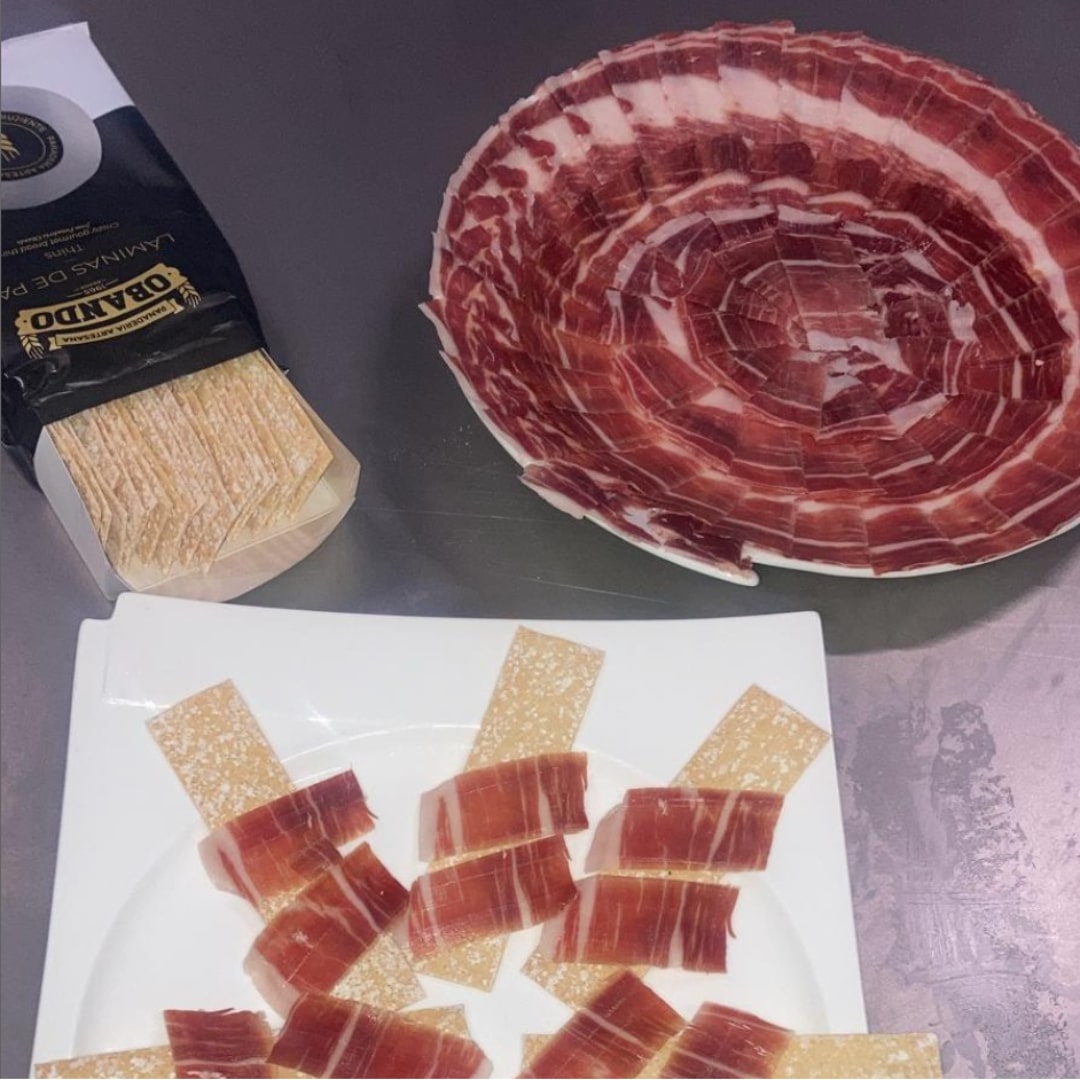
Obando’s picos and regañás are the perfect pairing for a platter of Ibérico cured meats, seafood preserves, cheeses and gourmet patés. Their crispy texture and authentic flavor enhance each of these ingredients, creating an exceptional culinary experience. From appetizers to main dishes, these Andalusian crackers add a traditional and sophisticated touch.
A Connection to Our Roots
Being an official distributor of Obando in the United States is more than business; it’s an opportunity to share our heritage and culture. Consumer loyalty to Obando showcases the passion and dedication of this artisan bakery from Utrera in consistently delivering fresh, high-quality products.