What are PDO and PGI in Spanish Gourmet Products?
by Guillermo Pabon Garcia
on Oct 08, 2025
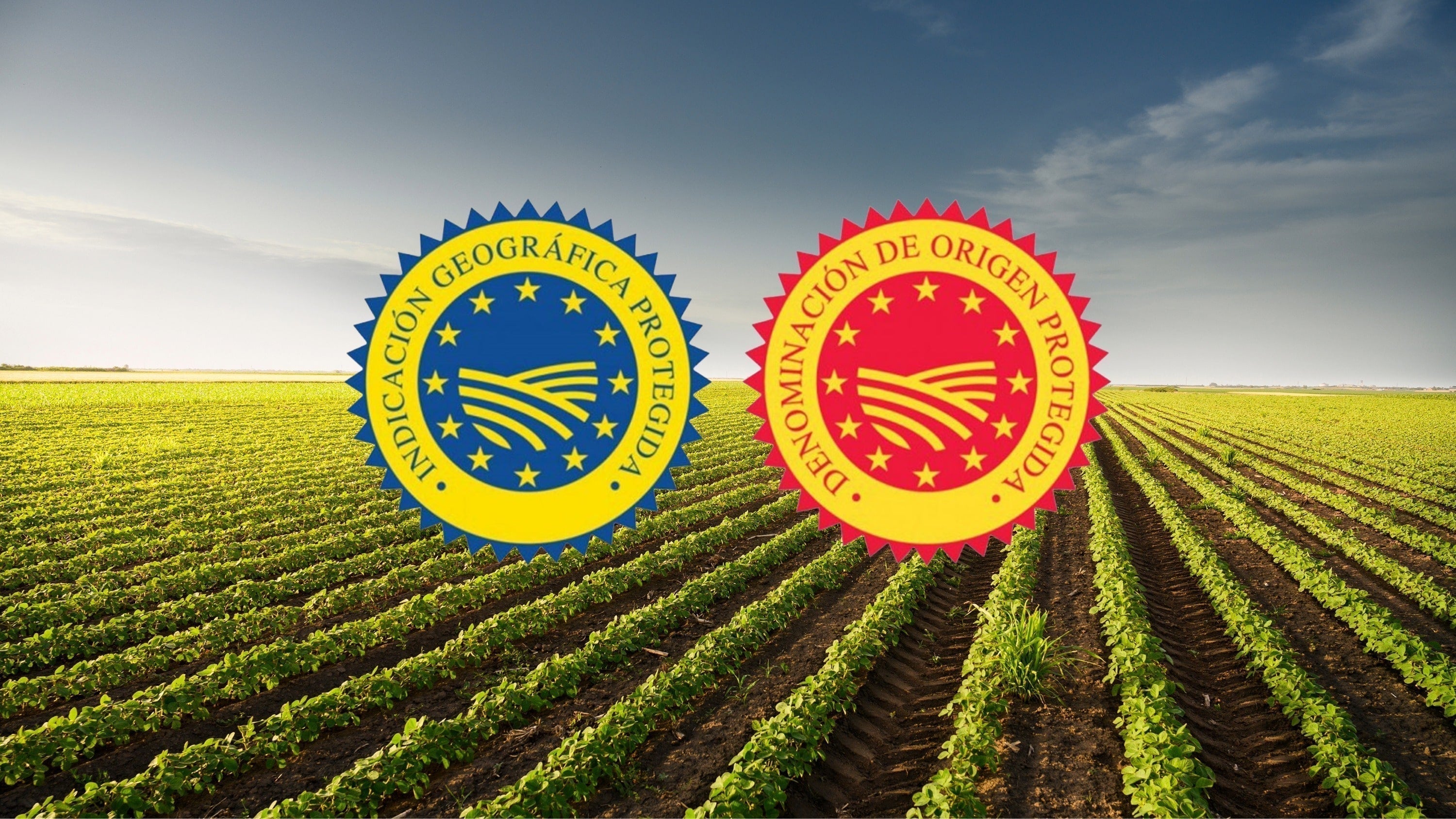
If you are passionate about authentic Spanish gourmet products, you’ve probably come across labels like PDO (Protected Designation of Origin) and PGI (Protected Geographical Indication). These certifications are internationally recognized and guarantee that the product you are buying is authentic, traditional, and linked to a specific Spanish region.
PDO means that every stage of production — from raw ingredients to processing and packaging — must take place in the designated geographical area. This ensures the product’s authenticity and protects centuries-old culinary traditions.
PGI is slightly more flexible, requiring that at least one stage of production, processing, or preparation happens in the defined region. Even so, it guarantees a strong and traceable link to its geographical origin.
Both PDO and PGI seals are essential to protect Spanish food heritage and ensure that U.S. consumers can access genuine Spanish products, not industrial imitations.
Why PDO and PGI Labels Matter
At Ibérico Taste, we bring you directly from Spain a curated selection of PDO and PGI-certified foods. Choosing these products means:
- Guaranteed authenticity with traceability from origin to your table.
- Premium quality standards respected in every step of production.
- Protection of artisanal traditions and local craftsmanship.
- Confidence as a consumer knowing you’re buying real Spanish gourmet food in the U.S.
Enjoying PDO and PGI products is not only about taste — it’s about experiencing Spain’s culture, history, and culinary excellence.
Some of our products with certification of origin
- Calasparra Rice (PDO) – Grown in Murcia, this rice is perfect for paella thanks to its unique ability to absorb flavors without losing texture.
- Piquillo Peppers from Lodosa (PDO) – Hand-peeled and wood-roasted, with a sweet taste and delicate smoky notes.
- Navarra Asparagus (PDO) – Tender white asparagus cultivated in the fertile Ebro Valley, known for its refined flavor.
- Sherry Vinegar (PDO) – Matured in oak casks using the traditional solera system, offering deep flavor and balanced acidity.
- Mojama de Isla Cristina (PGI) – A delicacy known as the “ham of the sea,” made from cured tuna loins, intense and savory.
- Manchego Cheese (PDO) – Spain’s most famous cheese, made from Manchega sheep’s milk, rich and nutty in flavor.
- Idiazábal Cheese (PDO) – From the Basque Country and Navarra, slightly smoked, with deep and rustic flavors.
Each of these products reflects Spain’s authenticity, terroir, and culinary heritage. Explore our collection of certified products— now available for you in the U.S. at Ibérico Taste.